
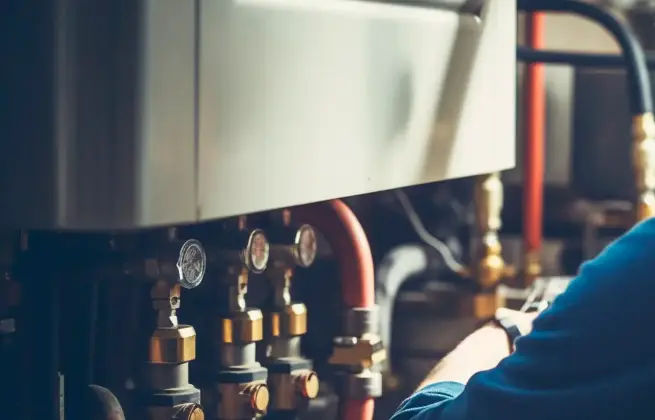
Your central heating system works by moving heated water through pipes and radiators around your home. Over time, rust, dirt, and other unwanted material can build up inside the system. This can reduce the flow of water and make it harder for your heating to work as it should.
A power flush is designed to clean the inside of a central heating system and remove this build-up. However, not every heating problem means that you need a power flush. Knowing the common warning signs can help you understand when it may be worth having your system checked.
What Is a Central Heating Power Flush?
A power flush is a process used to clean a central heating system. Water and cleaning chemicals are circulated through the system to help remove rust, sludge, and other deposits from the pipes and radiators.
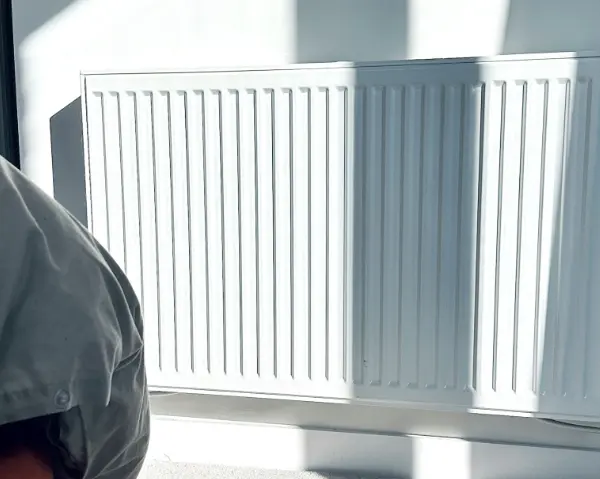
Once the system has been cleaned, fresh water can circulate more freely. This may help radiators warm up more evenly and allow the heating system to work more effectively.
Power flushing can be particularly useful for older heating systems where deposits have had several years to build up. It may also be recommended when certain heating problems keep returning.
What Are the Signs That You May Need a Power Flush?
One of the first things to consider is how your radiators are heating. If some radiators take much longer to warm up than others, or certain rooms remain cold when the heating is running, poor circulation could be responsible.
Cold areas on radiators can also be a warning sign. A radiator that is warm at the top but cold towards the bottom may contain sludge that is preventing hot water from circulating properly.
Other possible signs include:
Radiators taking a long time to heat up
Cold areas at the bottom of radiators
Radiators needing to be bled regularly
Some radiators staying cold while others become hot
Dirty or discoloured water when a radiator is bled
Unusual noises coming from the boiler or heating system
One of these problems on its own does not always mean a power flush is required. There are several possible causes of poor heating, so it is important to find the source of the problem before deciding what work is needed.
Why Does Sludge Build Up in Central Heating Systems?
Most central heating systems contain metal parts that are constantly in contact with water. Over time, corrosion can take place inside radiators and pipes. Small particles can then collect in the water and eventually form dark sludge.
This material can settle inside radiators, valves, pipes, and other parts of the heating system. As the amount increases, it can restrict the movement of hot water. The result may be slower heating, uneven radiator temperatures, or extra strain on parts of the system.
Regular heating maintenance can help identify these problems before they become more serious. If you are already experiencing cold radiators, poor water flow, or problems with your heating, Lancashire Community Plumbing and Heating Services' offer radiator balancing, system cleaning, heating repairs, and other work designed to improve central heating performance.
Could the Problem Be Something Else?
Before arranging a power flush, it is worth remembering that sludge is only one possible cause of poor heating.
For example, a radiator that is cold at the top may simply contain trapped air and need bleeding. A single cold radiator could have a problem with its valve. Low boiler pressure, a faulty pump, or a problem with the heating controls could also affect how well the system works.
Our existing boiler repair service covers problems including low pressure, leaks, cold radiators, faulty thermostats, broken pumps, stuck valves, and air in the system.
This is why checking the system properly matters. Power flushing a system when the real problem is a faulty part will not provide the right solution. If you are experiencing these problems, our boiler repair services cover a range of common boiler and central heating faults.
What Happens During a Power Flush?
The first step should be to assess the heating system and look for signs of poor circulation or sludge.
If a power flush is suitable, specialist equipment is connected to the central heating system. Water and cleaning chemicals are then circulated through the system to loosen and remove deposits.
Individual radiators can be worked on during the process to help clear stubborn build-up. Once the system has been cleaned, it is flushed through so that dirty water and cleaning products are removed. The system can then be refilled, checked, and balanced so that water flows correctly around the property.
Depending on the condition of the heating system, a magnetic filter may also be fitted. This can help collect metal particles circulating in the water and reduce the amount that reaches the boiler. Lancashire Community Plumbing and Heating Services already offers power flushing, chemical cleansing, and magnetic filter fitting as part of its heating work.
What Are the Benefits of Power Flushing?
If sludge is causing problems, cleaning the system can improve the way water moves through the radiators and pipes.
After a successful power flush, you may notice that radiators heat more evenly, rooms warm up faster, and the heating system operates more smoothly. Removing unwanted deposits may also reduce unnecessary strain on the boiler, pump, and other heating components.
However, a power flush cannot repair damaged or faulty parts. If a radiator, valve, pump, or boiler component has failed, it may still need to be repaired or replaced.
Depending on the condition of the heating system, a magnetic filter may also be fitted. This can help collect metal particles circulating in the water and reduce the amount that reaches the boiler. Lancashire Community Plumbing and Heating Services already offers power flushing, chemical cleansing, and magnetic filter fitting as part of its heating work.
When Should You Ask a Heating Engineer for Advice?
If your heating has become slow, uneven, noisy, or unreliable, it is sensible to have the system checked rather than assuming that a power flush is needed.
A heating engineer can look at your boiler, radiators, pipework, water condition, and system pressure to identify the likely cause. They can then explain whether power flushing, a smaller repair, radiator balancing, or another form of maintenance is the right option.
Lancashire Community Plumbing and Heating Services provides power flushing and central heating services across Burnley, Blackburn, Accrington, and surrounding areas in Lancashire. If you think your central heating may need cleaning, get in touch to arrange an assessment and find out what your system needs.
Related Articles
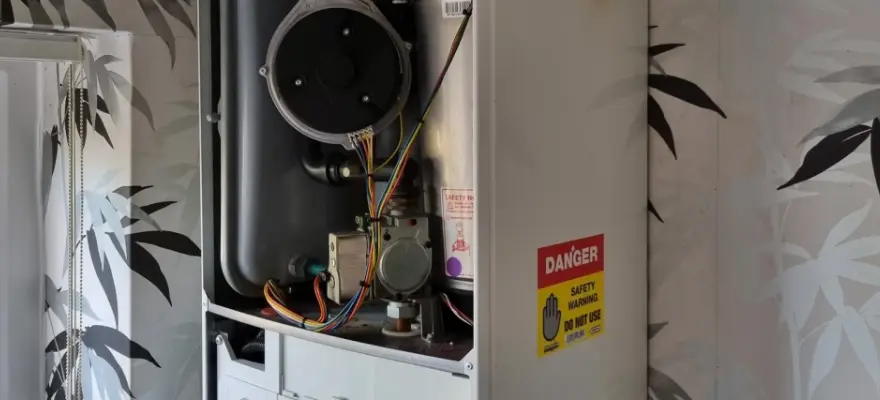
Is It Better to Repair or Replace an Older Boiler