
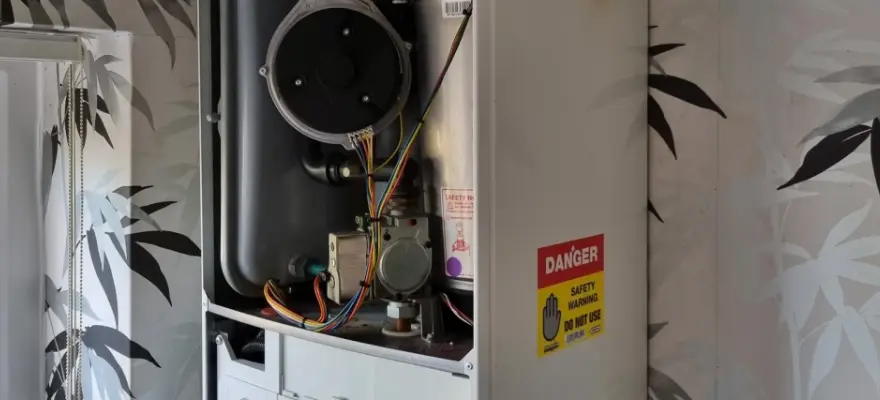
When an older boiler develops a fault, deciding whether to repair or replace it is not always straightforward. A repair may get your heating working again for less money, while a replacement boiler could make more sense if problems are becoming frequent or the existing boiler is reaching the end of its useful life.
There is no single answer that applies to every home. The age and condition of the boiler, the type of fault, the cost of repairs, and how reliably it heats your home should all be considered.
Understanding these factors can make it easier to decide what to do next.
How Old Is Your Boiler?
The age of your boiler is a useful starting point. An older boiler does not automatically need replacing, especially if it has been regularly serviced and remains in good condition.
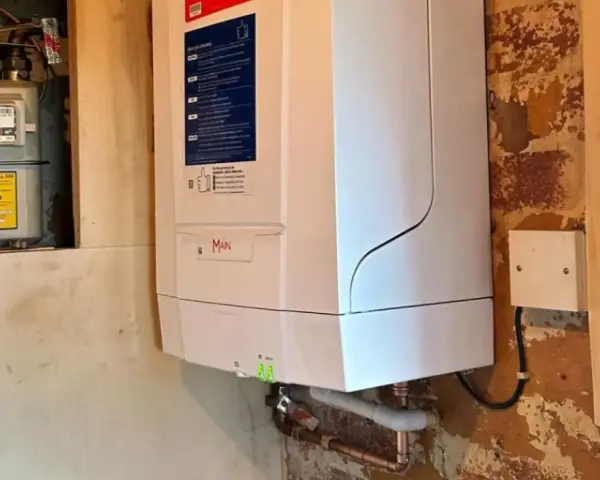
However, age becomes more important when faults begin to appear. Parts can wear over time, and an older boiler may require more attention to keep it working reliably.
If you are unsure how old your boiler is, check any paperwork you received when it was installed or serviced. The make and model can also help a heating engineer estimate its age.
Once you know roughly how old the boiler is, consider its condition rather than making a decision based on age alone.
How Often Does Your Boiler Need Repairing?
An occasional fault can happen with boilers of almost any age. If the problem is minor, the boiler is otherwise reliable, and a suitable replacement part is available, repairing it may be the sensible option.
Repeated breakdowns are more concerning.
If you have needed several repairs within a short period, it is worth considering how much you are spending to keep the boiler running. Paying for one repair may be reasonable, but regularly replacing different parts can become expensive.
You should also consider the inconvenience. A boiler that repeatedly stops working can leave your home without reliable heating or hot water.
Keep a record of recent repairs and servicing costs. Looking at what you have already spent can give you a clearer picture when comparing another repair with replacement.
Boiler RepairWhat Is Wrong With the Boiler?
The type of fault can have a major effect on your decision.
Problems with controls, valves, thermostats, pressure, or other replaceable parts may be repairable without replacing the whole boiler. A heating engineer can check the system, identify the fault, and explain what work is required.
More serious problems can change the situation. If several components are failing, parts are becoming difficult to obtain, or the boiler has a major fault that is expensive to repair, replacement may offer better value over the longer term.
This is why identifying the actual problem should come before deciding whether to replace the boiler.
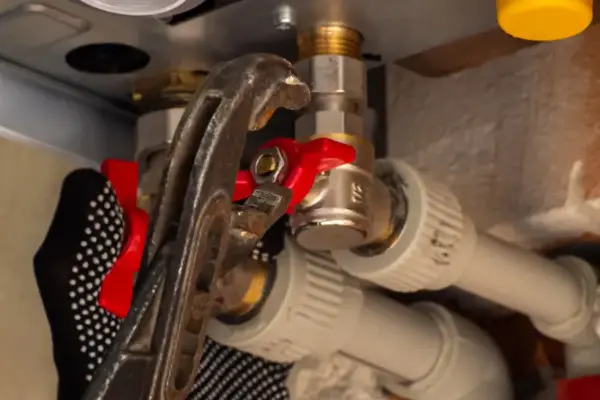
If your boiler has stopped working or is showing signs of a fault, Lancashire Community Plumbing and Heating Services' cover boiler breakdowns, pressure problems, leaks, pumps, valves, thermostats, ignition problems, and other common faults.
Are Replacement Parts Still Available?
Parts availability can become an issue with some older boilers.
Manufacturers may stop producing certain components as boiler models become older. Although some parts may still be available from other sources, finding the correct component can become more difficult or expensive.
This does not mean an older boiler must be replaced as soon as one part becomes difficult to find. However, it is worth thinking about what could happen if another fault develops later.
Ask your heating engineer whether replacement parts for your boiler are still readily available. This can help you judge whether another repair is likely to be practical.
Is Your Older Boiler Still Heating Your Home Properly?
A boiler does not have to break down completely before replacement becomes worth considering.
Think about how the heating performs during normal use. Does your home reach the temperature you want? Is hot water available when you need it? Does the boiler operate reliably during colder weather?
If the answer is yes, and the boiler does not require frequent repairs, keeping it may be reasonable.
However, a boiler that struggles to meet your household's heating and hot water needs deserves closer attention. The problem may be repairable, but it could also be a sign that the existing boiler is no longer suitable for the property.
A heating engineer can assess the boiler and the wider heating system before recommending what should happen next.
When Does Replacing an Older Boiler Make Sense?
Replacement becomes worth considering when several warning signs appear together.
These may include:
Frequent breakdowns or repeated faults
Increasing repair and maintenance costs
Poor or unreliable heating and hot water
Replacement parts becoming difficult to find
A major repair being required on an already ageing boiler
Changes to your home that mean the existing boiler is no longer suitable
The cost of a new boiler is naturally higher than the cost of many individual repairs. However, the comparison should not be limited to what you will spend today.
Consider what you are likely to spend maintaining the existing boiler, how dependable it is, and whether you are comfortable continuing to rely on it.
What Should You Consider When Replacing a Boiler?
If replacement appears to be the better option, the next step is choosing a boiler that suits your property.
The right boiler will depend on factors such as the size of your home, the number of bathrooms, your heating requirements, and the existing heating system.
There are different types of boilers available, including combi, system, and regular boilers. Rather than simply replacing an old boiler with the closest available model, it is worth having your home's requirements properly assessed.
A suitable boiler should provide the heating and hot water your household needs without being unnecessarily large for the property.
Comparing Boiler Repair and Replacement
Now that we have covered the main factors that can help you decide whether to repair or replace an older boiler, it is useful to compare the benefits of each option side by side. This can make it easier to see which choice may be more suitable for your boiler, your home, and your budget.
Repairing Your Boiler
Replacing Your Boiler
Lower immediate cost
A straightforward repair will usually cost less than installing a new boiler, making it suitable when the existing boiler is otherwise in good condition.
Greater long-term reliability
A new boiler can reduce the risk of faults caused by ageing or worn components.
Keeps a reliable boiler running
If your boiler has generally performed well and has only developed an occasional fault, a repair could extend its useful life.
Fewer concerns about ageing parts
Replacement removes the problem of older components becoming harder or more expensive to source.
Less work required
A repair can often be completed without the larger amount of work involved in removing and replacing the existing boiler.
A boiler suited to your current needs
Replacement gives you an opportunity to choose a boiler based on your home's present heating and hot water requirements.
Makes sense for smaller faults
Problems involving individual replaceable components may not justify the cost of replacing an otherwise dependable boiler.
Avoids repeated repair costs
If breakdowns are becoming frequent, replacement can prevent you from continuing to spend money on an unreliable boiler.
It's important to remember that neither option is automatically better than the other. A repair can offer good value when a boiler remains dependable and the fault can be fixed at a reasonable cost. Replacement becomes more attractive when several problems are appearing, repair costs are increasing, or reliability is becoming a concern.
Lancashire Community Plumbing and Heating Services provides boiler repair and boiler installation services across Burnley, Blackburn, Accrington, and surrounding areas in Lancashire. If you have an older boiler and are unsure whether to repair or replace it, get in touch to arrange an assessment and discuss the most suitable option for your home.
Related Articles
How Do You Know If Your Central Heating Needs a Power Flush